5 Fascinating Places Where Heat Turns Into Electricity
Under extreme conditions where traditional batteries and wires fail, the Seebeck effect powers the universe’s most challenging missions.
Interstellar Travel: 45 Years of Batteryless Power
How do the Voyager 1 and 2 spacecraft operate in the pitch blackness beyond our solar system? The answer: Radioisotope Thermoelectric Generators (RTGs). The massive temperature difference between the decaying plutonium core and the absolute cold of space (-270°C) is converted into electricity using the Seebeck effect. Running continuously since 1977, this is humanity’s longest-running thermal harvesting deployment.

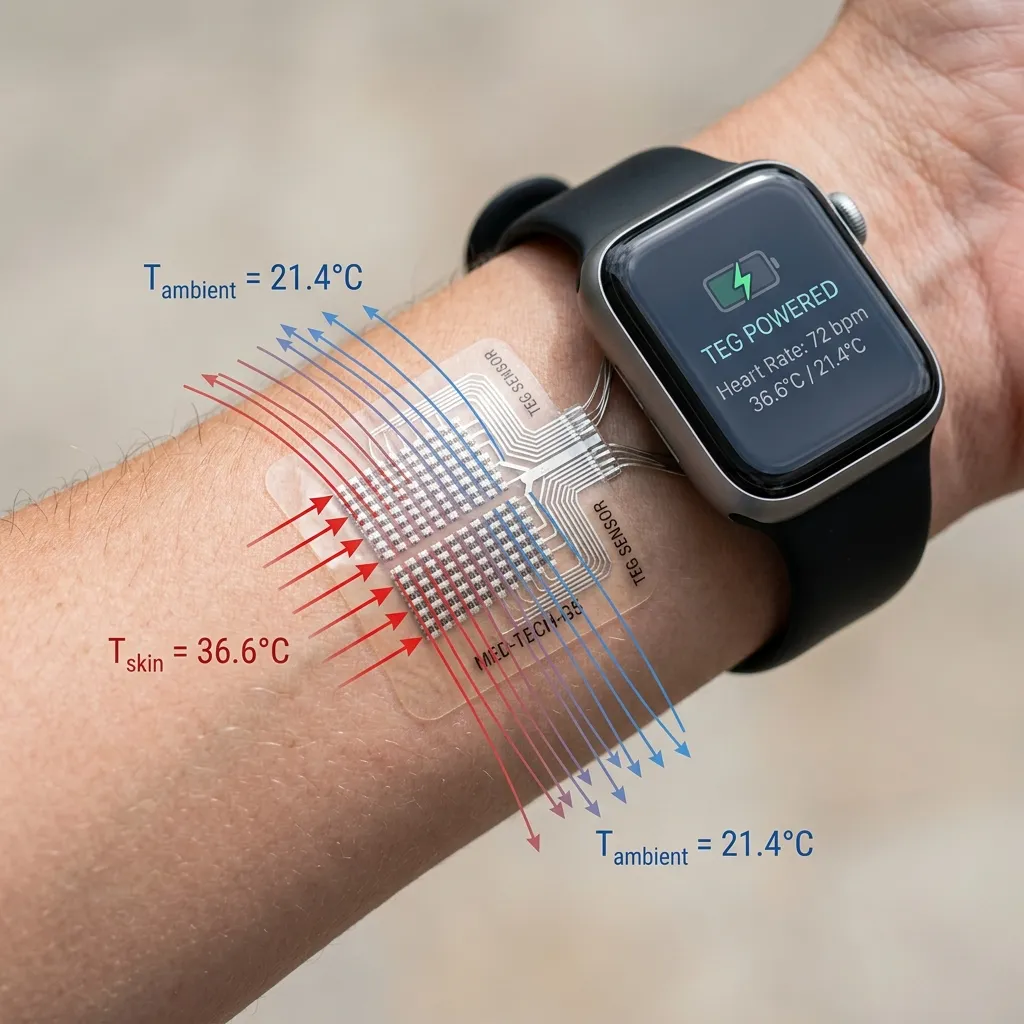
Your Body is a Power Station
Even at rest, the human body dissipates around 100 watts of waste heat. Next-generation wearable TEGs harvest the temperature difference between your skin (37°C) and the ambient air to power smartwatches or pacemakers. This eliminates the need for charging cords or surgical battery replacement procedures entirely.
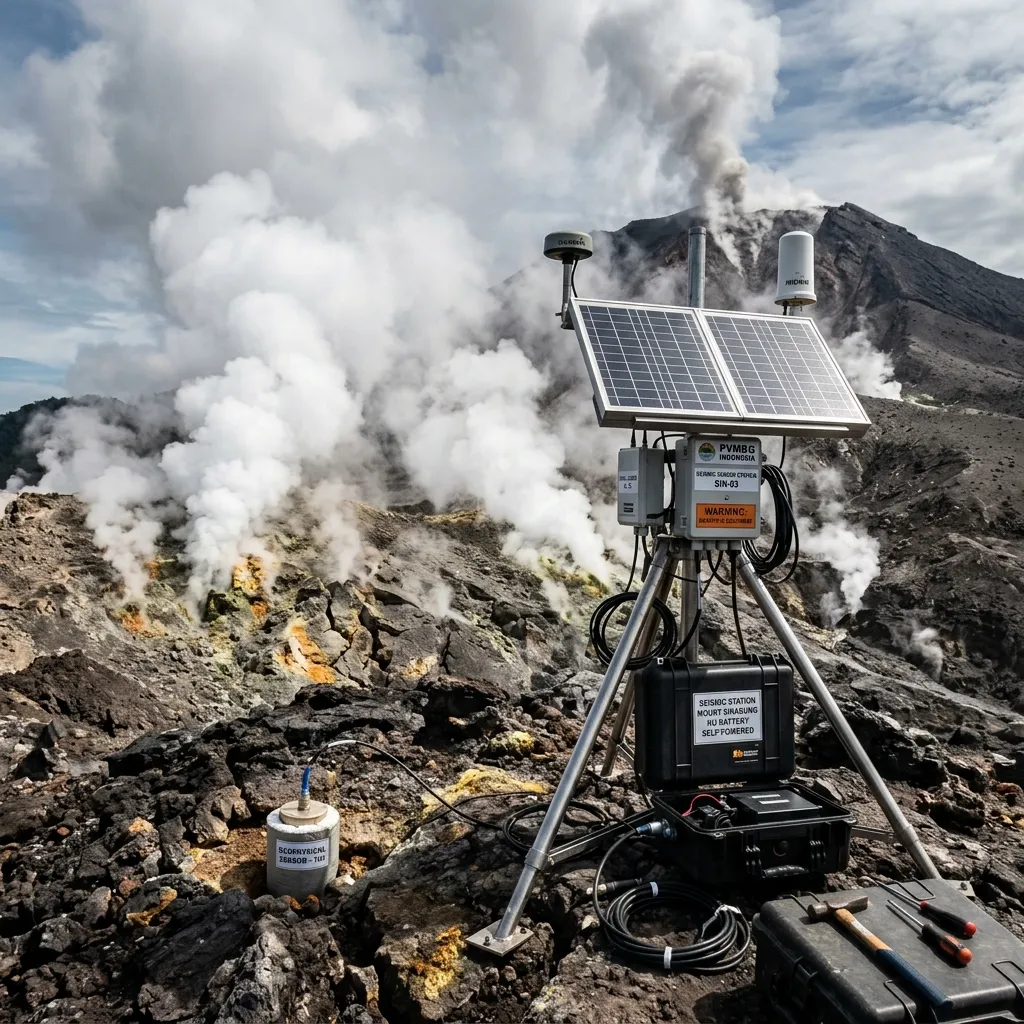
Harvesting Volcanic Heat
Installing electrical wires or replacing batteries near active volcanic craters and geothermal vents is impossible. Seebeck-based harvesting systems utilize the high heat of volcanic rocks or hot springs against the outer air temperature to power autonomous seismic sensors and gas detectors, predicting disasters maintenance-free.
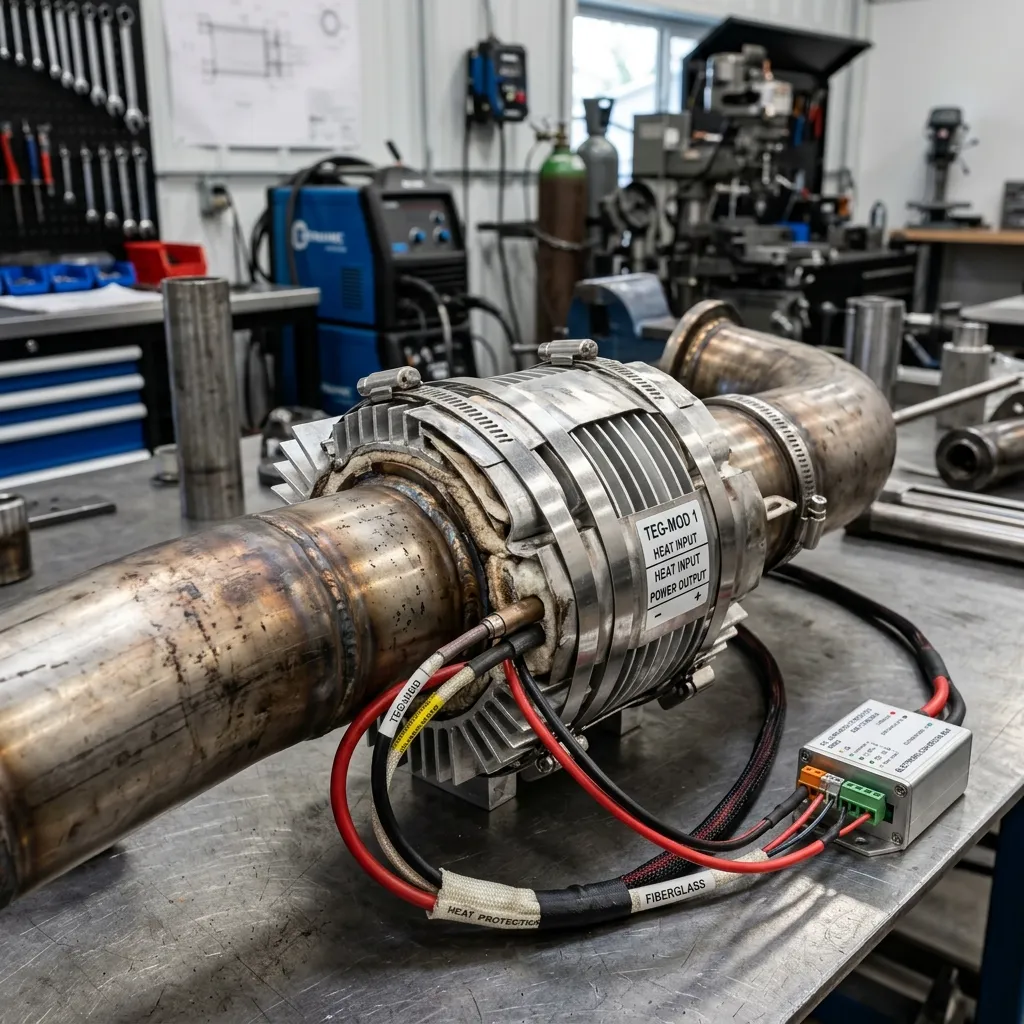
Fuel Savings from Exhaust Waste Heat
In combustion engines, about 60% of fuel energy is lost as heat through the exhaust pipe. Automotive manufacturers deploy TEG modules around exhaust lines to harvest this waste heat, reducing alternator load and directly powering onboard electronics to improve fuel efficiency and lower carbon emissions.
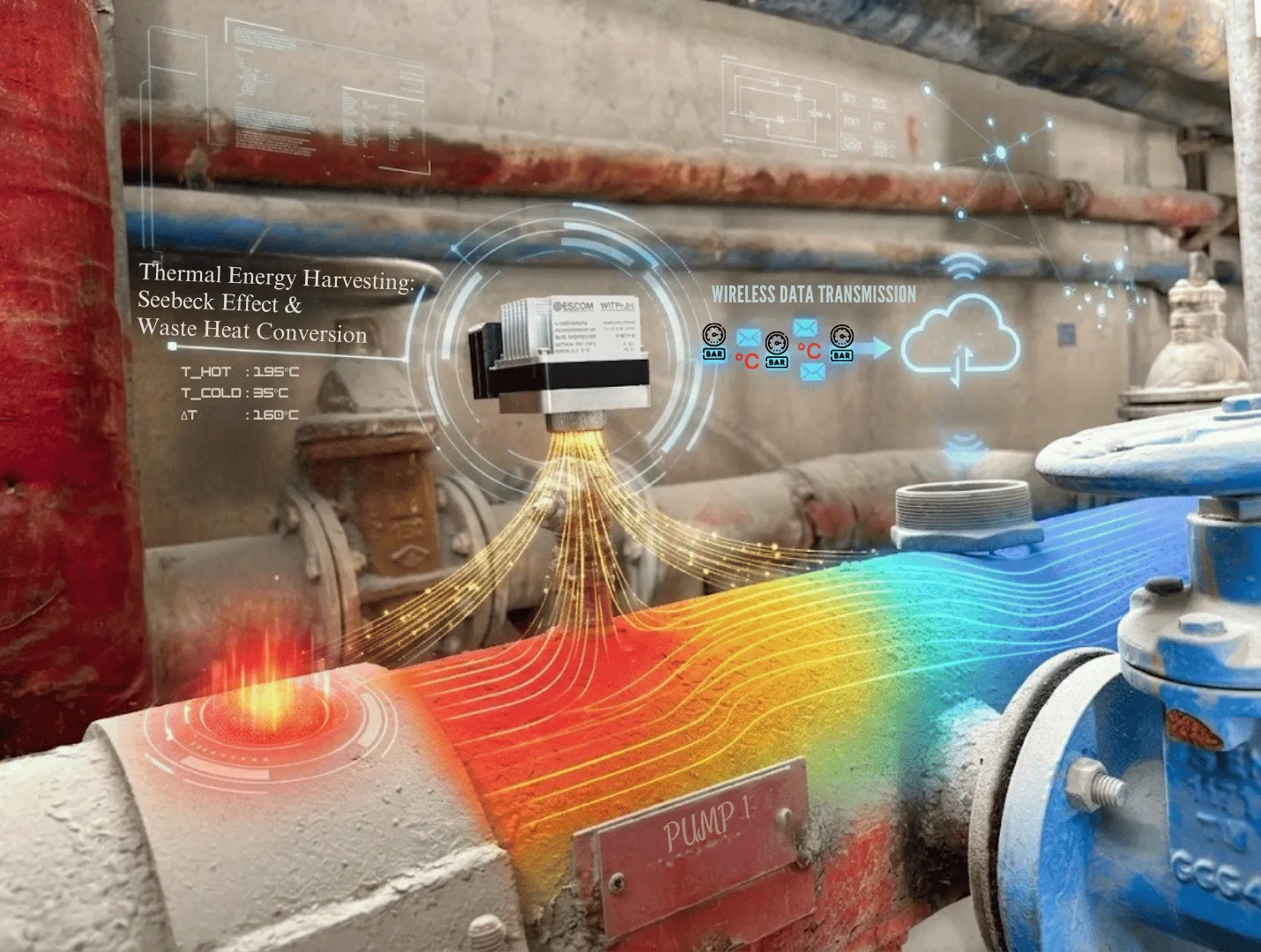
Batteryless & Wireless Smart Factories
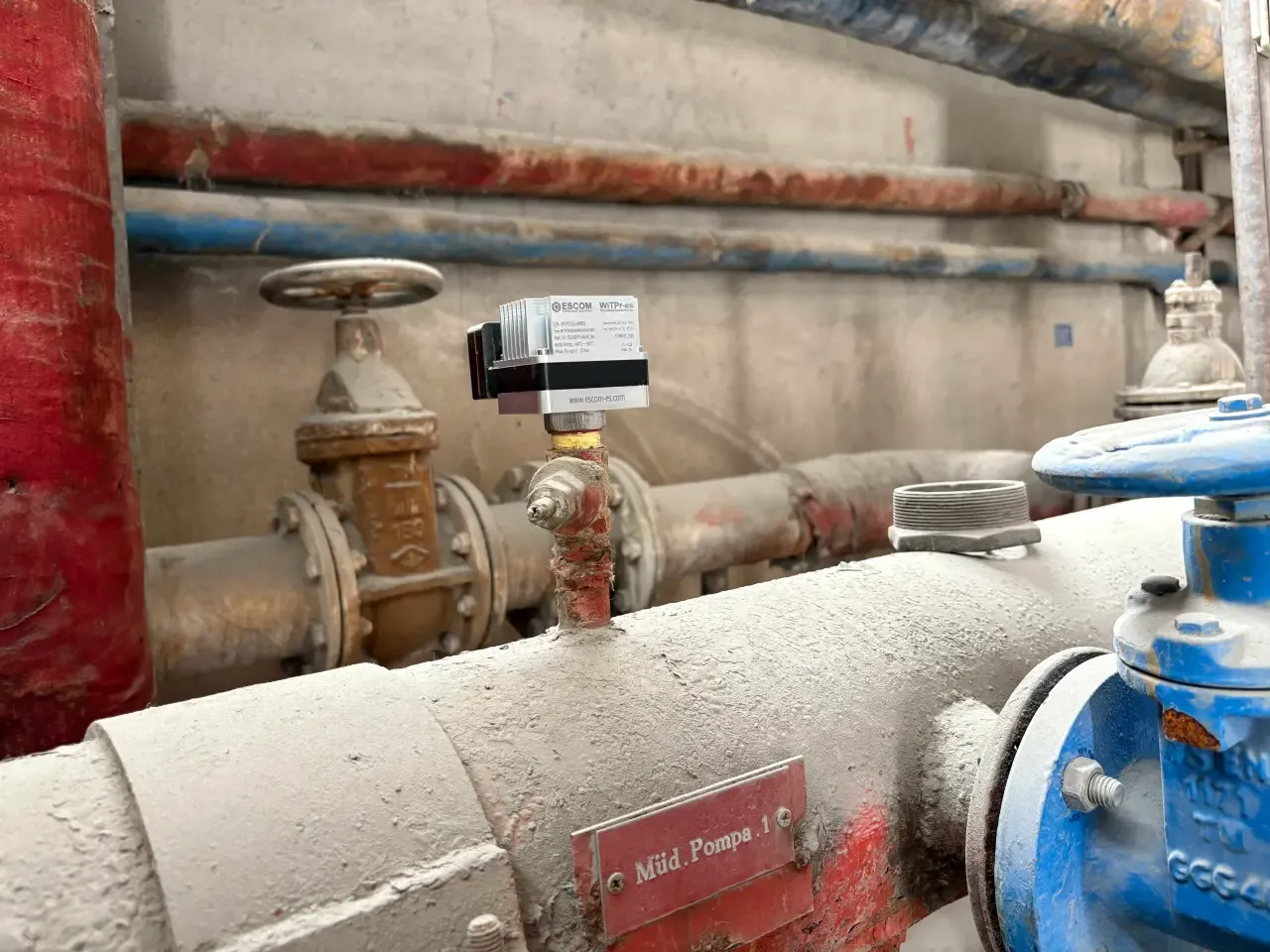
In heavy industrial plants with thousands of valves, steam traps, and motors, running cables for every sensor incurs massive infrastructure costs, while batteries create toxic waste and maintenance overhead. ESCOM-es sensors harvest waste heat from pipelines to enable 100% wireless, batteryless plant digitalization.
How Thermal Energy Harvesting Works (Seebeck Effect)
At the core of thermal energy harvesting lies the Seebeck Effect. Discovered in 1821 by Thomas Johann Seebeck, this physical principle is based on the fact that when there is a temperature difference (ΔT) between the terminals of two different conductor or semiconductor materials, this difference generates a voltage (V).
Thermoelectric Generators (TEGs) operate on this principle. When one side is in contact with a hot surface (e.g., an operating motor or furnace wall) and the other side is exposed to a cooler environment (a heatsink block or ambient air), the heat flow drives electrons to move, creating a continuous direct current (DC).
Interactive Seebeck Thermoelectric Simulator
Modify the temperature gradient to analyze Seebeck open-circuit voltage, electron diffusion rate, and theoretical power output in real time.
.CE9uWw0N.svg)
Batteryless Transformation in Industrial Sensors
The most revolutionary application area of thermal energy harvesting is wireless industrial sensor networks. Continuous data flow is critical, especially at points such as rotating machinery, pipelines, and motors. In traditional systems, drained batteries lead to data loss and unplanned downtime. A sensor integrated with a TEG feeds on its own waste heat, literally 'sustaining itself'. Instead of performing complex and high-energy-consuming FFT (Fast Fourier Transform) analyses at the edge, the primary function of these sensors is to continuously monitor the equipment's condition and transmit raw data to the center for trend analysis. Thanks to low-power microcontrollers and optimized RF protocols, a temperature difference of just a few degrees provides enough energy to operate uninterruptedly for years.
Advantages of Converting Waste Heat to Electricity
Zero Maintenance Cost
Completely eliminates the need to replace batteries. Ideal for sensors in hazardous or hard-to-reach locations.
Sustainability
Reduces carbon footprint by recycling waste heat and prevents toxic battery waste.
Uninterrupted Data Flow (Trend Analysis)
Offers 24/7 continuous monitoring without battery level concerns, improving the accuracy of predictive maintenance.
Cable Cost Savings
Eliminates the need to run power cables, dramatically lowering installation expenses.
Applications and Sectoral Impacts
Heavy Industry & Manufacturing
Energy harvested from the surface temperatures of motors, pumps, and compressors to monitor bearing and vibration trends.
Aerospace & Aviation
High temperature differentials in aircraft engines are utilized to power sensor networks.
Smart Buildings & HVAC
Ambient sensors powered by temperature differences in radiators or ventilation ducts.
Automotive
Waste heat in exhaust gases is harvested to assist the vehicle's electrical systems.
The Future of Thermal Harvesting
Advancements in materials science are increasing the efficiency of traditional thermoelectric materials such as Bismuth Telluride (Bi2Te3) day by day. Thanks to nanotechnology and flexible TEG designs, it is becoming possible to harvest energy from curved surfaces and even human body heat. With the power consumption of wireless technologies dropping to micro-watt levels, thermal energy harvesting is rapidly advancing to become not just an alternative, but the standard energy source for industrial IoT.
Compatible Thermal Harvesting Devices
WiT-es
Batteryless clip-on temperature sensor.
View Product →WiPT-es
Batteryless threaded pressure & temperature sensor.
View Product →WiT-es Magnet
Magnetic batteryless surface temperature sensor.
View Product →WiT-es Probe
Deep immersion probe batteryless temperature sensor.
View Product →WiT-es Hybrid
Hybrid battery & batteryless temperature sensor.
View Product →Initiate a Batteryless Project Design for Your Plant
Plan the transition steps to a zero battery waste wireless network with our engineering team by mapping the energy harvesting potential of your plant.